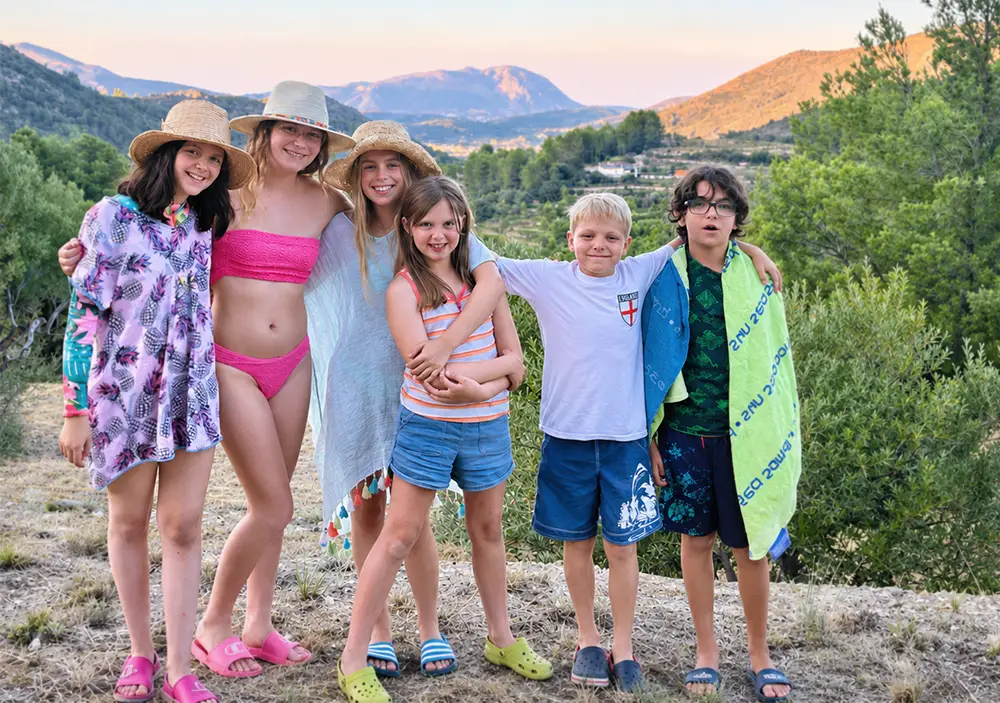







A toddler crouched beside a rosemary bush, completely absorbed by a beetle. A child delighted to discover freshly laid eggs in the chicken coop. Parents sitting close enough to keep watch, but not so close that they have to direct every second of the day. This is the quiet promise of free-range family holidays: a chance for little ones to explore, discover and follow their curiosity, while grown-ups can finally exhale.
For many parents, that sounds lovely in theory and complicated in practice. Children need freedom, but they also need shade, snacks, naps and a setting where adults are not constantly scanning for hazards. The best family holidays make room for adventure and discovery, while giving parents the reassurance that their little ones are well catered for.
What does a free-range family holiday really mean?
Free-range family holidays are not about letting children run wild or stepping back from the responsibilities of parenting. They are about choosing places where a child’s natural urge to move, investigate and play is encouraged rather than constantly managed or interrupted.
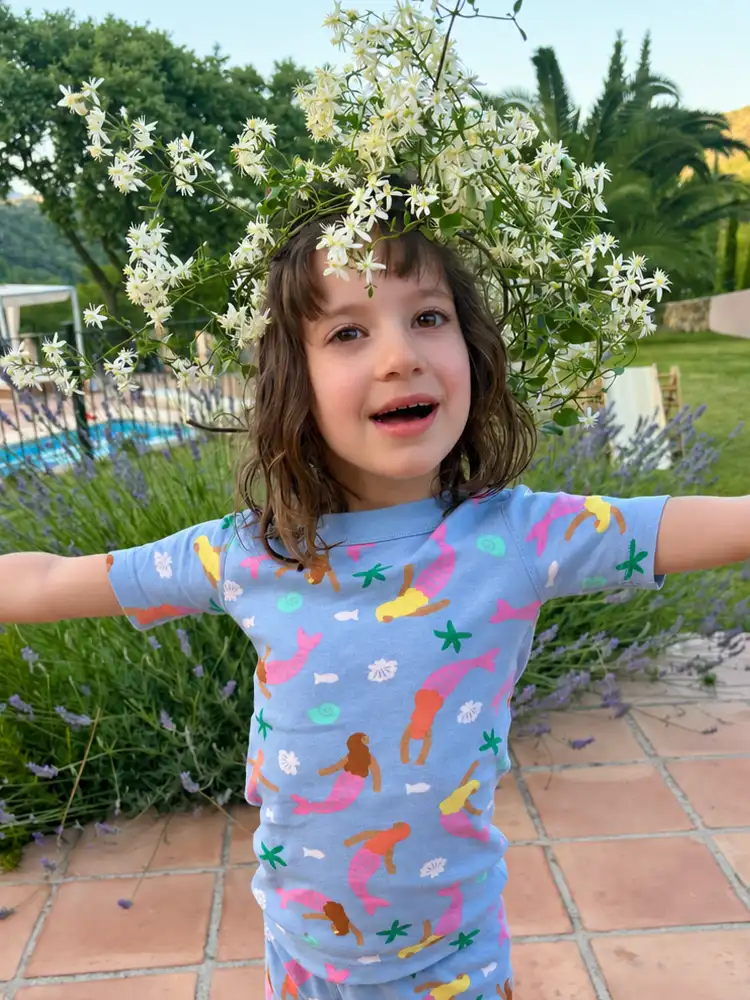
At the heart of this approach is unstructured play: the kind of play that children invent and direct themselves, without adults organising every activity or deciding what should happen next. A fallen branch becomes a magic wand, a patch of earth becomes a miniature garden, or a handful of stones becomes the beginning of an imaginary shop. There are no instructions, no timetable and no particular outcome to achieve.
At home, the day can be a blur of pavements, pick-ups, screens, traffic and the small negotiations that come with getting everyone out of the door. On holiday, a spacious countryside setting changes the rhythm. There is room for collecting fallen leaves, watching clouds move over the mountains and lingering over a game that has no purpose beyond being fun.
Why unstructured play is so valuable for young children
The benefits of unstructured play go well beyond keeping children happily occupied. When children decide what to play and how to play it, they practise making decisions, solving problems and finding their own solutions. A tower that keeps falling over becomes an experiment in balance. A game invented with another child becomes an opportunity to negotiate, cooperate and take turns.
Outdoor exploration adds another dimension. Climbing, carrying, balancing and digging help develop physical coordination, while discovering unfamiliar plants, animals and textures encourages observation and curiosity. Imaginative play allows children to experiment with ideas, tell stories and express themselves.
Perhaps most importantly, these small discoveries help build confidence. A toddler who works out how to balance on a fallen log, or a preschooler who figures out how to build a den, experiences the satisfaction of doing something for themselves. With an adult nearby to provide reassurance and appropriate boundaries, children can gradually develop independence and trust in their own abilities.
None of this requires expensive equipment or elaborate activities. Often, the simplest surroundings offer the richest opportunities for play.
Why it can feel so restorative for parents
The emotional labour of travelling with young children is rarely mentioned in glossy holiday brochures. Even on holiday, parents can find themselves constantly organising activities, managing routines and keeping little ones entertained.
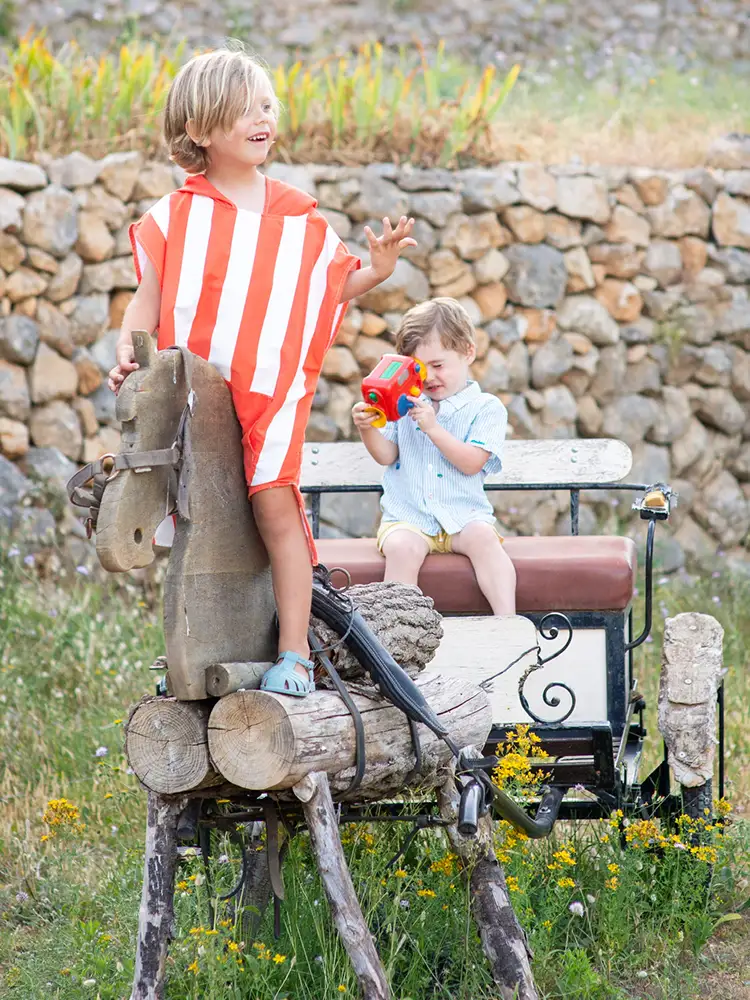
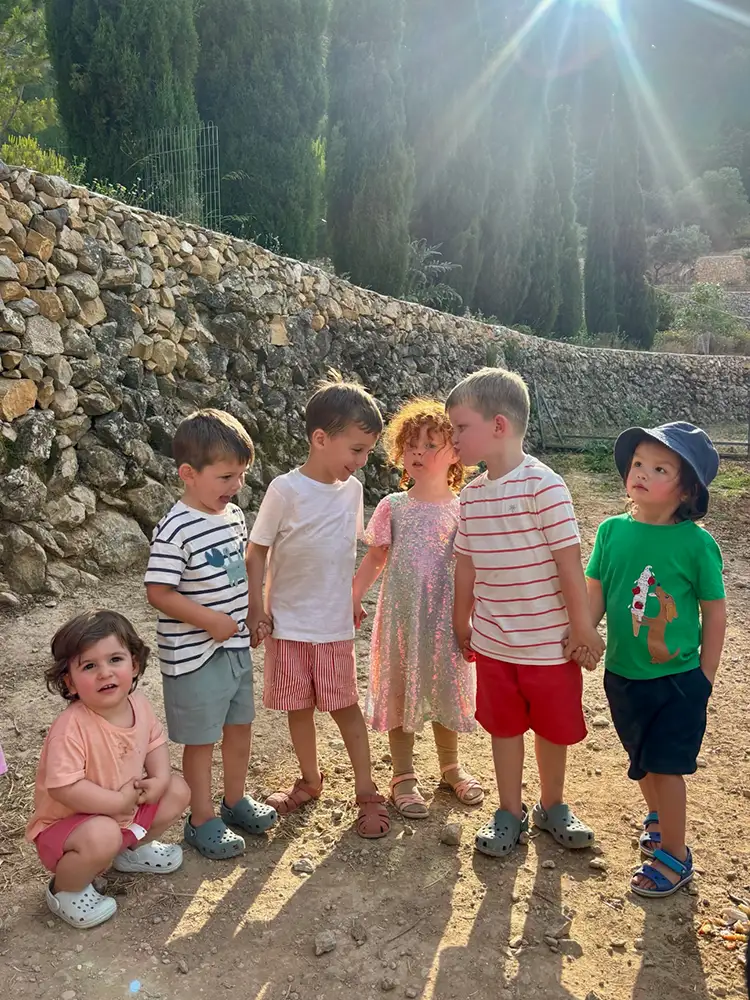
But young children have a wonderful capacity to become absorbed in the simplest things, given the space and freedom to follow their curiosity. When they’re happily inventing games, exploring nature or making friends, parents can enjoy a welcome break from being the constant source of entertainment.
There’s also something deeply relaxing about slowing down to a child’s pace. Watching them discover something for the first time, sharing their excitement or simply enjoying a quiet moment nearby can be every bit as rewarding as a carefully planned outing.
Freedom to explore, with parents close by
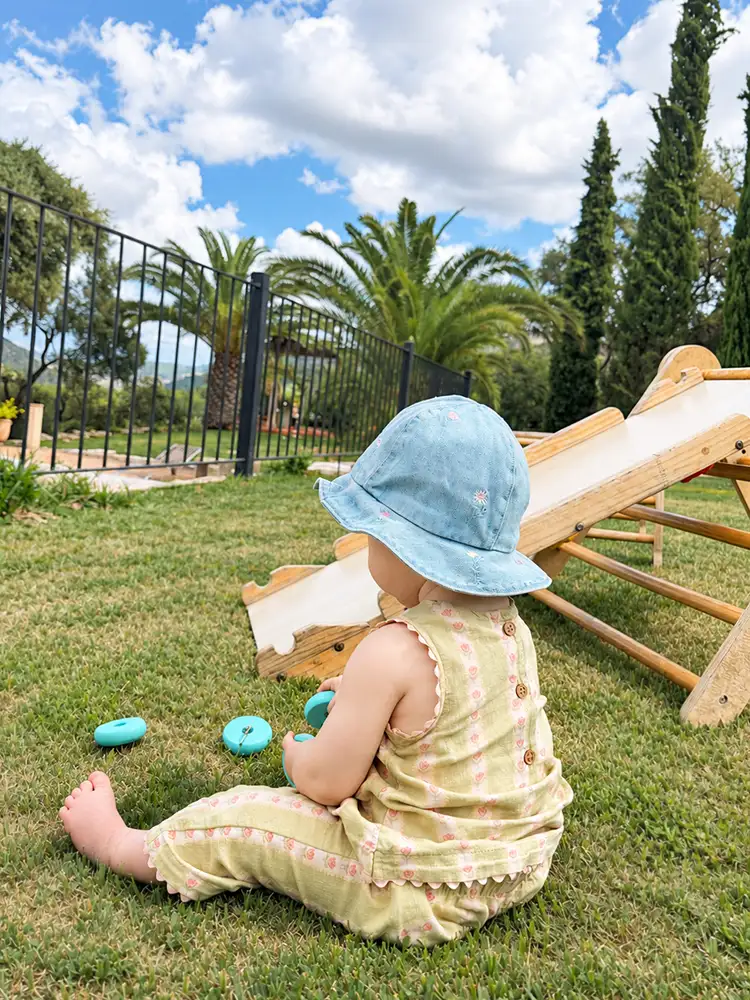
Not every open space is suitable for a family with a crawler or a fearless four-year-old. Free-range play does not mean unsupervised play, particularly for babies, toddlers and preschoolers. The difference lies in thoughtful boundaries: suitable outdoor areas, clear sightlines and age-appropriate play spaces where children can explore while parents keep a watchful eye.
A sprawling beach resort may look ideal, but can involve long walks between room, pool and meals, busy communal spaces and a daily scramble for loungers. A city break brings culture and wonderful food, yet may demand more time in buggies, more road awareness and more compromises around sleep. Both can be brilliant choices at the right stage of family life.
A smaller countryside retreat can offer a lovely balance. There is space to explore, but not so much that every outing turns into an expedition. Children can become absorbed in their own games and make friends, while the wider natural surroundings invite adventures together as a family.
And there is something reassuring about being around other families who are living at a similar pace. Nobody bats an eyelid at the occasional toddler tantrum, a noisy mealtime or a child who has decided that their pants are optional. Parents can relax, and children can simply be children.
Leave room for the unexpected
One of the simplest ways to enjoy a free-range family holiday is to resist over-scheduling. A morning outing might be lovely, but leave time for the unexpected discoveries that happen when children are allowed to follow their own interests. Sometimes, a little boredom is just the beginning of an adventure.
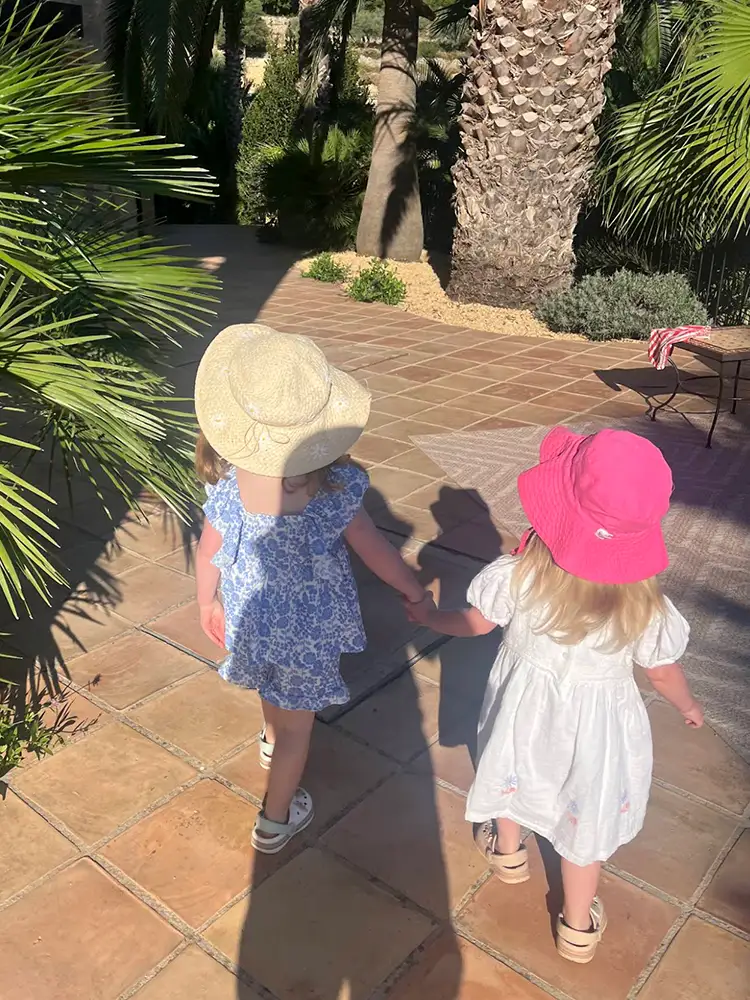
Children may not remember every place you visit, but they often remember how a holiday felt. The warm tiles beneath their feet. The smell of oranges. The satisfaction of mastering something new, making a friend or inventing a game that lasts all afternoon. These are the little moments that make a holiday memorable, without needing to fill every hour with activities.
A 15-acre playground in the Spanish countryside
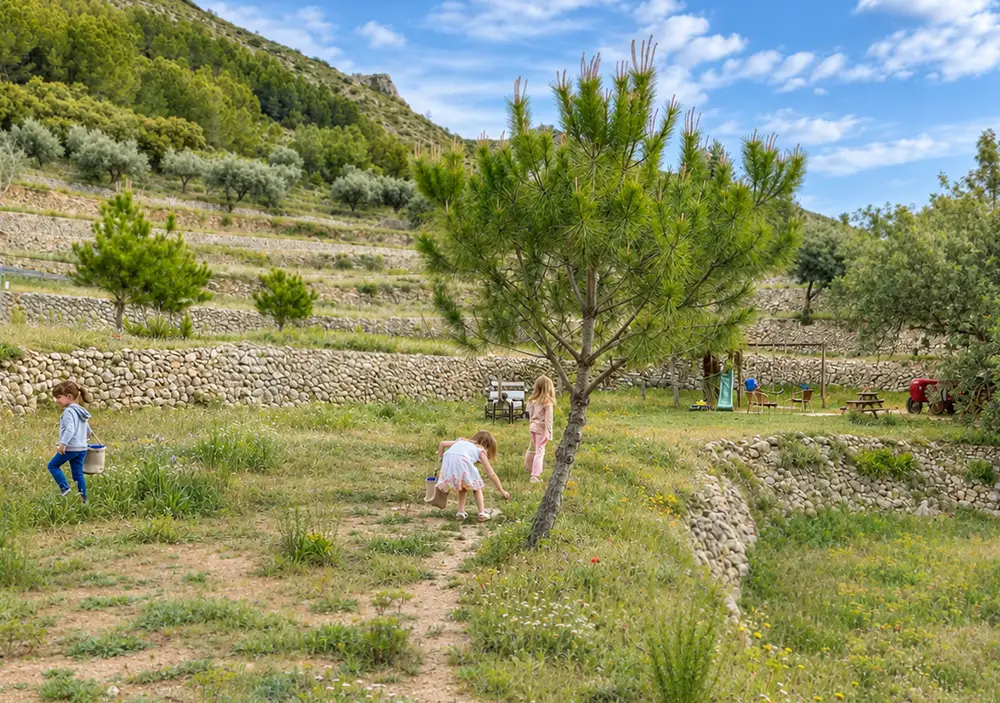
At Caserío del Mirador, the surrounding countryside is as much a part of the holiday as the accommodation itself. Set across 15 acres of terraced hillside in Spain’s Jalón Valley, the grounds are dotted with olive groves, buggy-friendly walking paths, outdoor play areas and little corners waiting to be discovered.
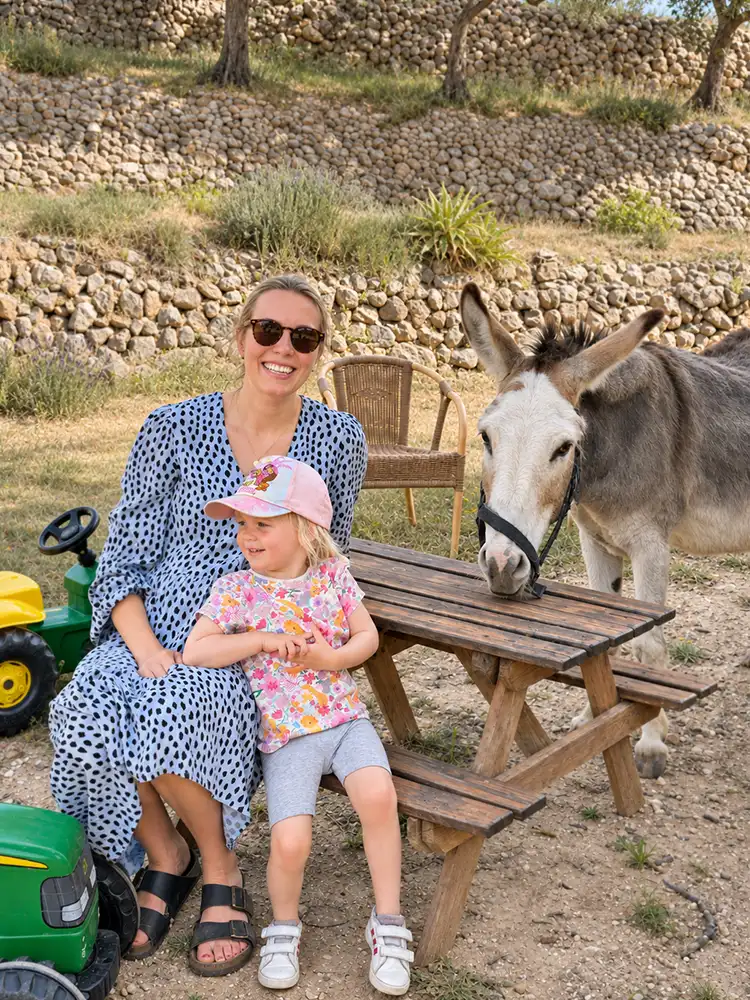
Children can explore the grounds, follow paths through the olive trees, invent adventures around the big red tractor or spend a happy afternoon in the sandpit or splashing in the pool. There are swings, climbing frame, a trampoline and quieter spots for stories and imaginative play.
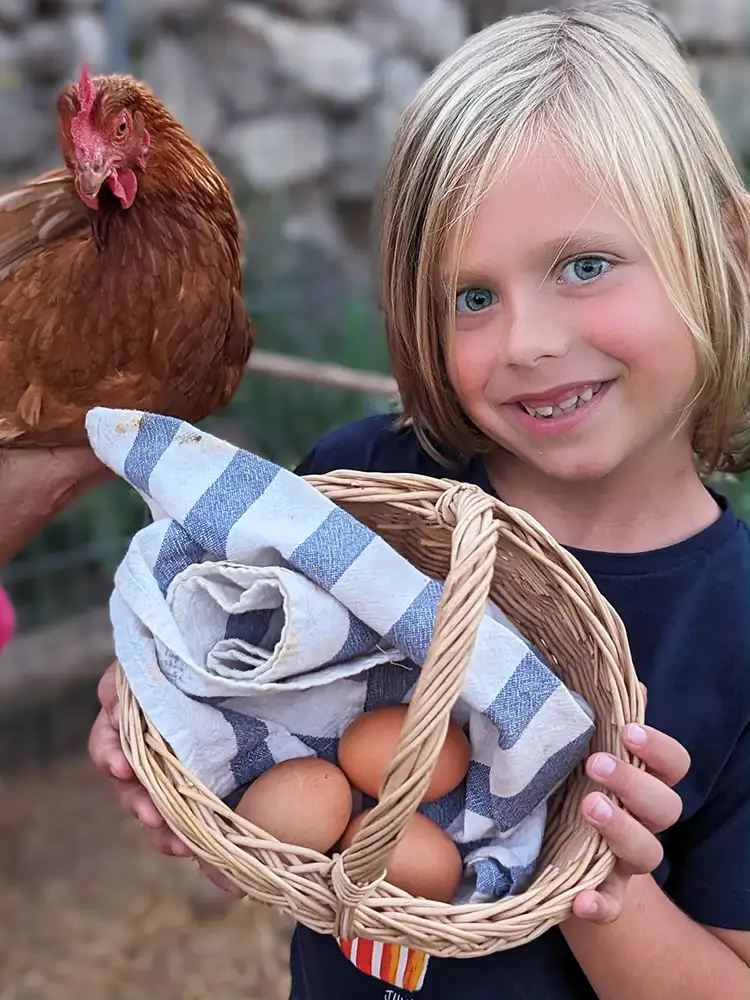
The resident animals add another layer of discovery. Collecting freshly laid eggs from the chickens, meeting the goats and bunnies, or helping to feed the pigs leftovers can become the highlight of a child’s day. These encounters offer opportunities to learn about animals, overcome initial shyness and develop a gentle curiosity about the natural world.
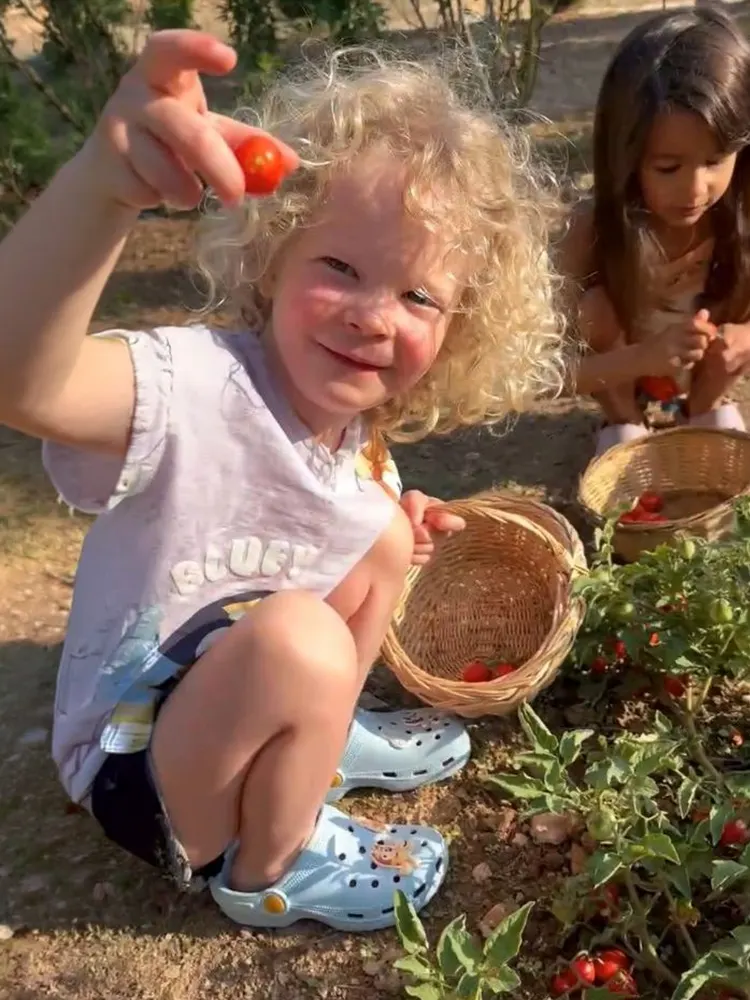
Then there’s the kitchen garden, where children can discover strawberries hiding beneath the leaves and help pick ripe vegetables. Watching food grow, finding something ready to harvest and seeing it make its way to the table can turn an ordinary moment into a little adventure.
At Caserío del Mirador, free-range family holidays aren’t about filling the day with activities. They’re about creating the space for children to make their own discoveries, enjoy little adventures and grow in confidence, while parents share in the experience and rediscover the pleasure of slowing down.